Underwater 3D Mapping
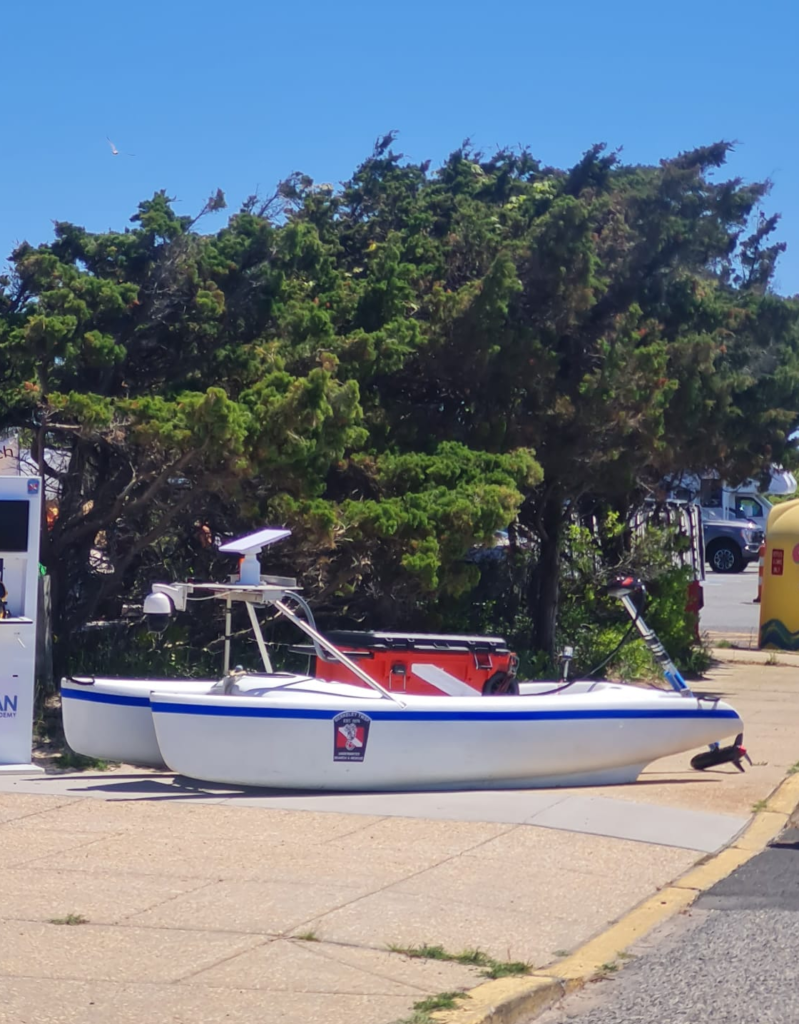
Built for marine science, environmental monitoring, underwater mapping, and autonomous exploration, our USV platform combines long-endurance electric propulsion, autonomous navigation, real-time communications, and modular payload capability in a compact transportable vessel.
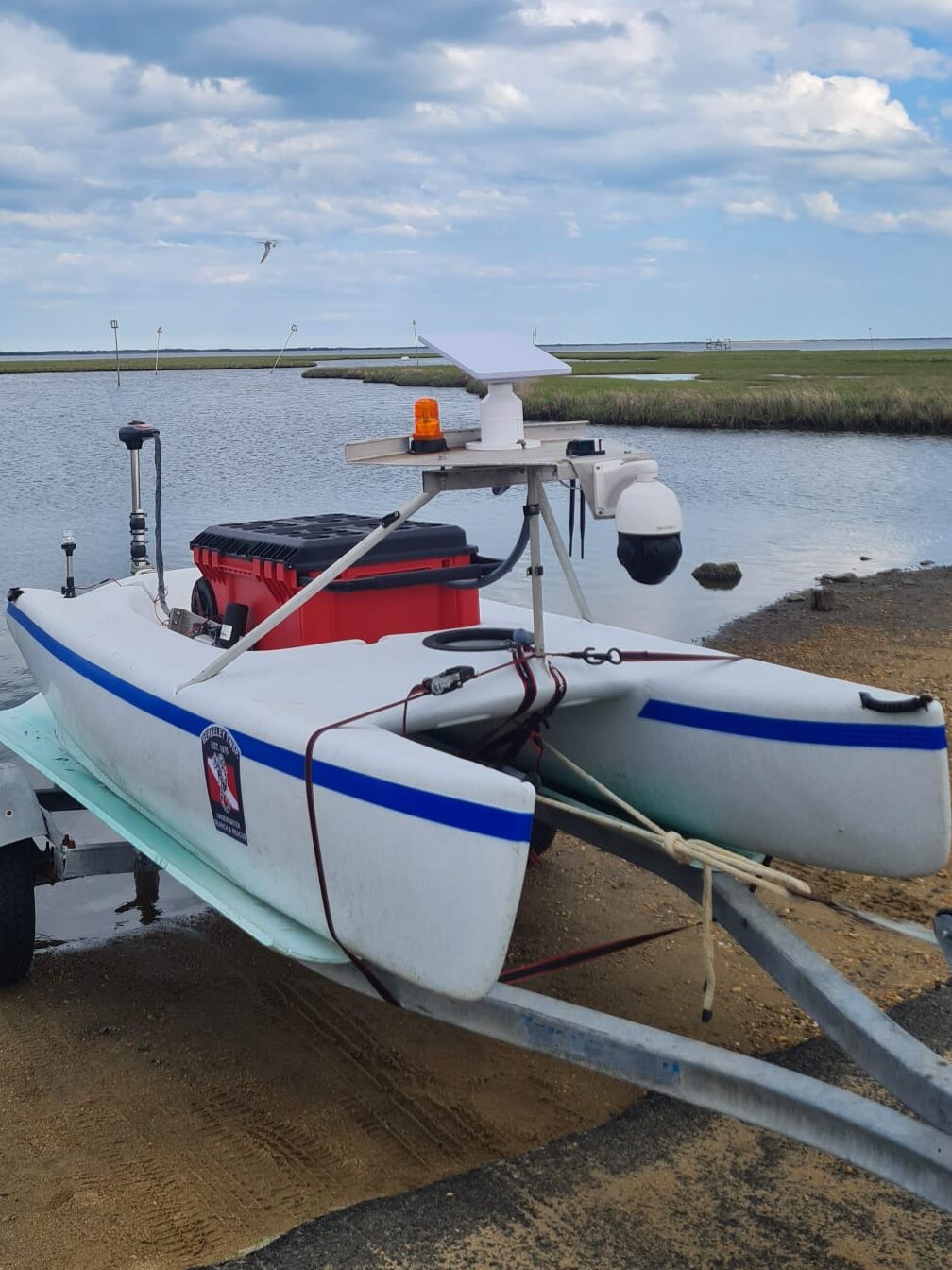
Based on the lightweight and highly stable Hobie Bravo hull platform, the system is designed for rapid deployment by a small field team while carrying advanced scientific and robotic equipment into coastal, lake, river, and nearshore environments.
Solar Assisted Endurance
Our Autonomous Unmanned Surface Vehicle is a next-generation marine robotics platform designed for scientific research, underwater mapping, environmental monitoring, and autonomous exploration.
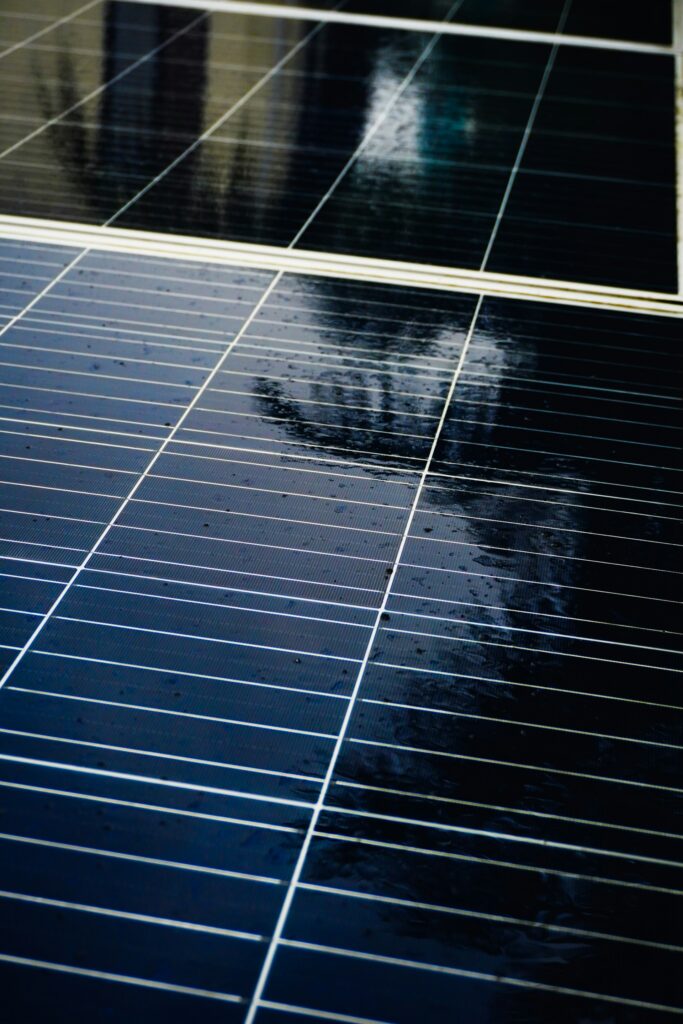
Built on a lightweight transportable hull, the vessel can carry up to 100 kg of scientific payload while operating autonomously for extended missions using electric propulsion and solar-assisted power systems.
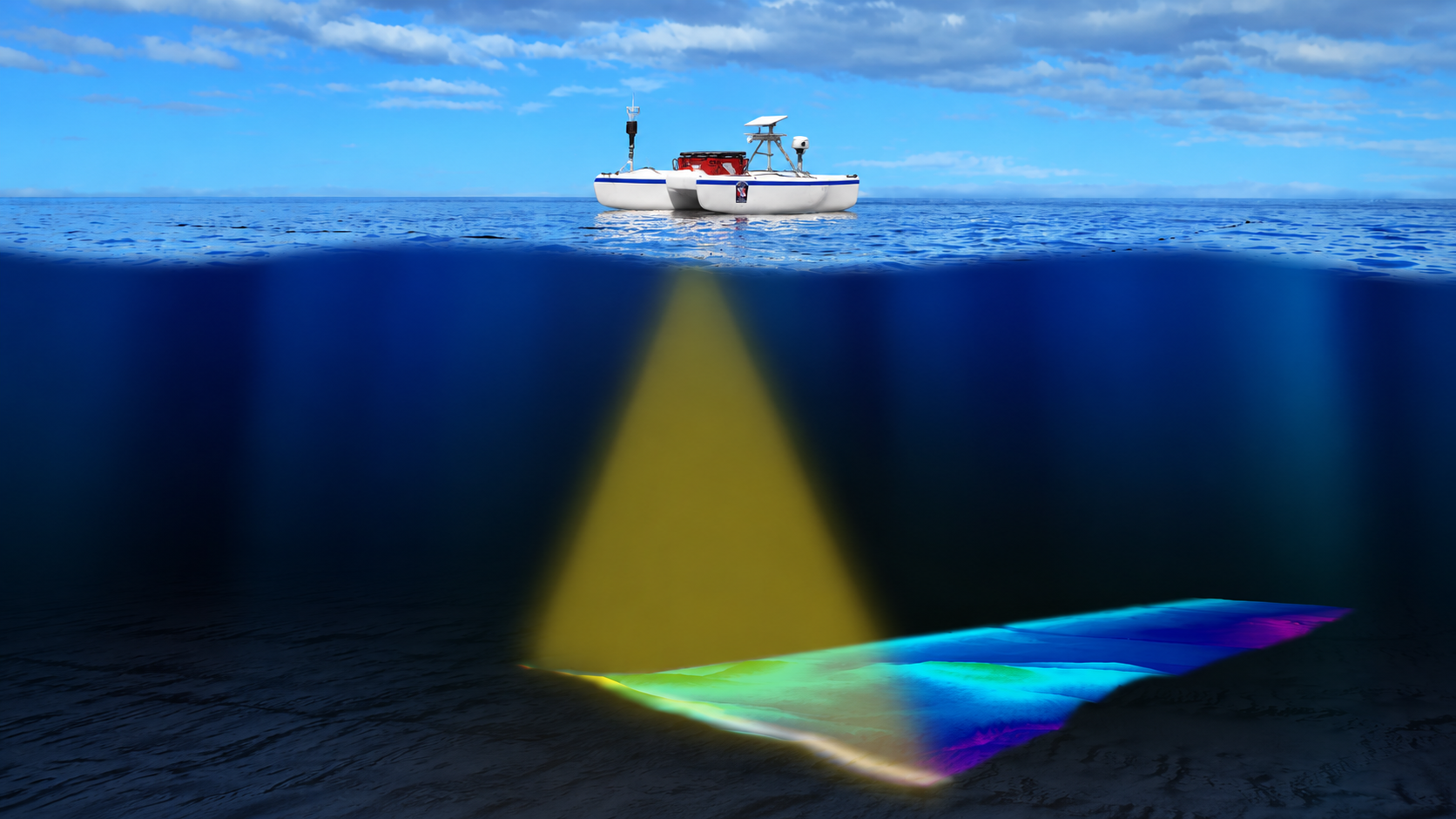
Equipped with advanced 3D side scan sonar, satellite communications, 360° situational awareness cameras, and drone integration capability, the platform enables real-time data collection both above and below the water surface.
Future expansion includes a remotely operated underwater vehicle (ROV) system for underwater inspection and subsurface exploration up to 130 meters depth.
Electric Propulsion
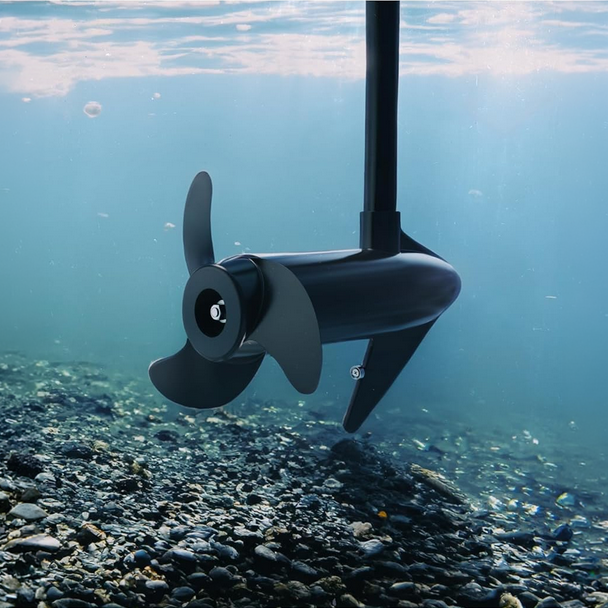
The vessel’s electric propulsion architecture provides a low-acoustic operational profile optimized for marine science applications. Reduced cavitation, vibration, and mechanical noise improve sonar performance and minimize interference with hydroacoustic sensors, marine ecosystems, and underwater mapping systems.
Survey USV produces zero direct emissions during operation, supporting sustainable and environmentally responsible marine research.
Reduced mechanical complexity compared to combustion engines results in lower maintenance requirements, improved reliability, and simplified field deployment.
Integrated Weather & Environmental Monitoring System
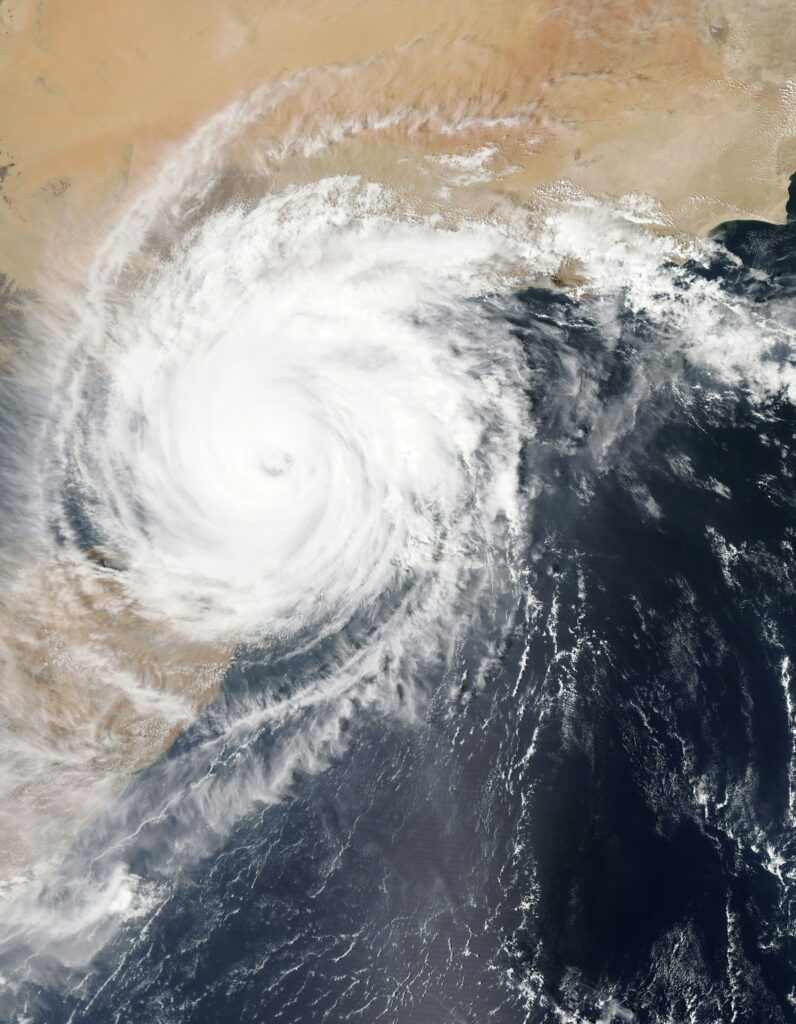
Designed for autonomous field operations, the onboard weather station continuously monitors environmental conditions and transmits live telemetry through onboard communications systems for remote observation and scientific analysis.
Environmental Sensing Capabilities
- Wind speed and wind direction
- Air temperature
- Relative humidity
- Barometric pressure
- Rainfall detection and precipitation monitoring
- Solar radiation / sunlight intensity
- UV index monitoring
20+
hours of continous operation*
60+
Nautical Miles range*
6+
Knots max speed
*Under optimal conditions with low-speed operation and continuous solar charging
Ideal Applications
- Hydrographic surveys
- Environmental monitoring
- Marine science research
- Water quality sampling
- Search and rescue support
- Harbor inspection
- Infrastructure inspection
- Coastal mapping
- Wildlife observation
- Autonomous data collection